2026-11-09 · Mike Sullivan
Handling Basement Flooding After Nor'easters In Islip
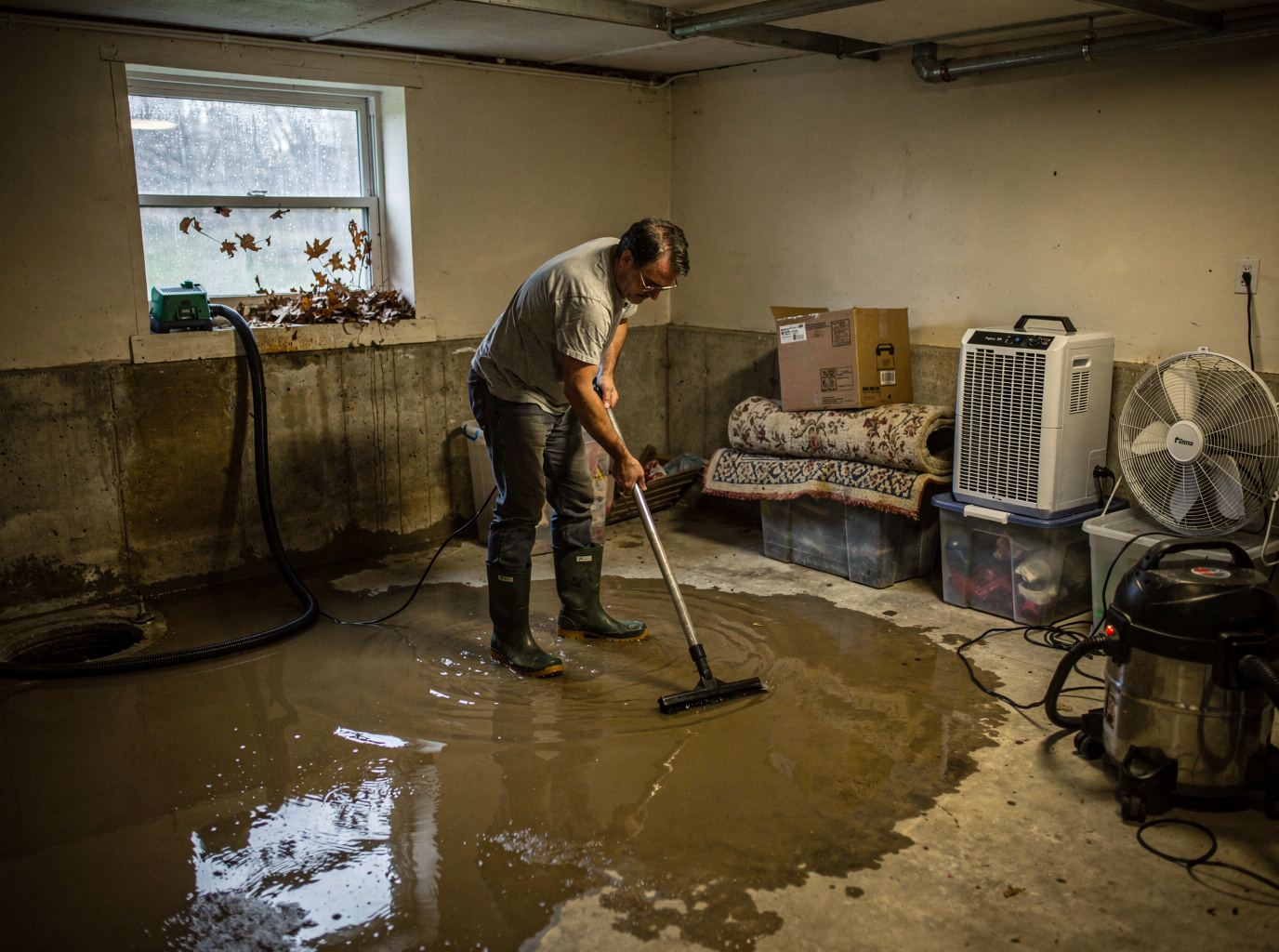
After a Nor'easter hits Islip, basement flooding typically needs water extraction started within the first 24 hours and full drying completed in 3 to 5 days to limit mold growth in the humid subtropical climate of Suffolk County.
Assessing Nor'easter Damage in Islip Basements
Nor'easters dump several inches of rain quickly on low-lying neighborhoods like East Islip and Islip Terrace, where many homes built before 1970 sit on clay-heavy soils that drain slowly. Walk through the basement and note water depth against foundation walls near Islip Town Hall or along routes to Islip MacArthur Airport, checking for silt lines that show how high water reached. Look for cracks in poured concrete or block foundations common in Central Islip properties, and test outlets and HVAC equipment for safety before any cleanup begins. Document everything with photos for insurance, focusing on items stored on the floor that may have absorbed water from runoff flowing toward Ronkonkoma or Bay Shore.
Water Removal After the Storm
Start by shutting off power at the main panel if water contacts electrical lines, then use a wet vac or submersible pump to pull standing water down to one inch or less. In homes near Central Islip, where basements often connect to older storm drains, continue pumping until no visible puddles remain, especially around floor drains that back up during these events. Move furniture and boxes to higher ground or outside once water levels drop, and rinse mud from concrete floors with a garden hose while directing flow toward a sump pump if one exists. Water damage restoration crews familiar with Suffolk County conditions bring truck-mounted extractors that handle the volume faster than rental units.
Drying and Dehumidification Process
After extraction, run industrial air movers and dehumidifiers for at least 72 hours, aiming for indoor humidity below 50 percent to counter the mild winter moisture that lingers in Islip. Place equipment in a pattern that pushes air across wet walls and under cabinets, checking moisture meters on drywall and subfloors every 12 hours until readings match unaffected areas. Homes in Islip Terrace often have finished basements with carpet or laminate that trap water underneath, requiring removal of these materials for proper airflow. Water damage repair after Nor'easters includes replacing saturated insulation behind walls to stop hidden mold from forming weeks later.
Preventing Future Issues in Suffolk County Homes
Install or upgrade a sump pump with battery backup before the next storm season, routing discharge at least 10 feet from the foundation to avoid re-entry in East Islip yards. Seal foundation cracks with hydraulic cement and improve grading so water flows away from the house, a step that helps properties near Bay Shore and Ronkonkoma where runoff concentrates during high winds. Check checking for hidden leaks in older Islip homes to catch small issues before they worsen after heavy rain. For flooring concerns after similar events, review drying out flooring after summer storm surges near Islip for techniques that apply year-round.